








































National Center for Infectious Diseases Officially Launches Multicenter Medical Dataset
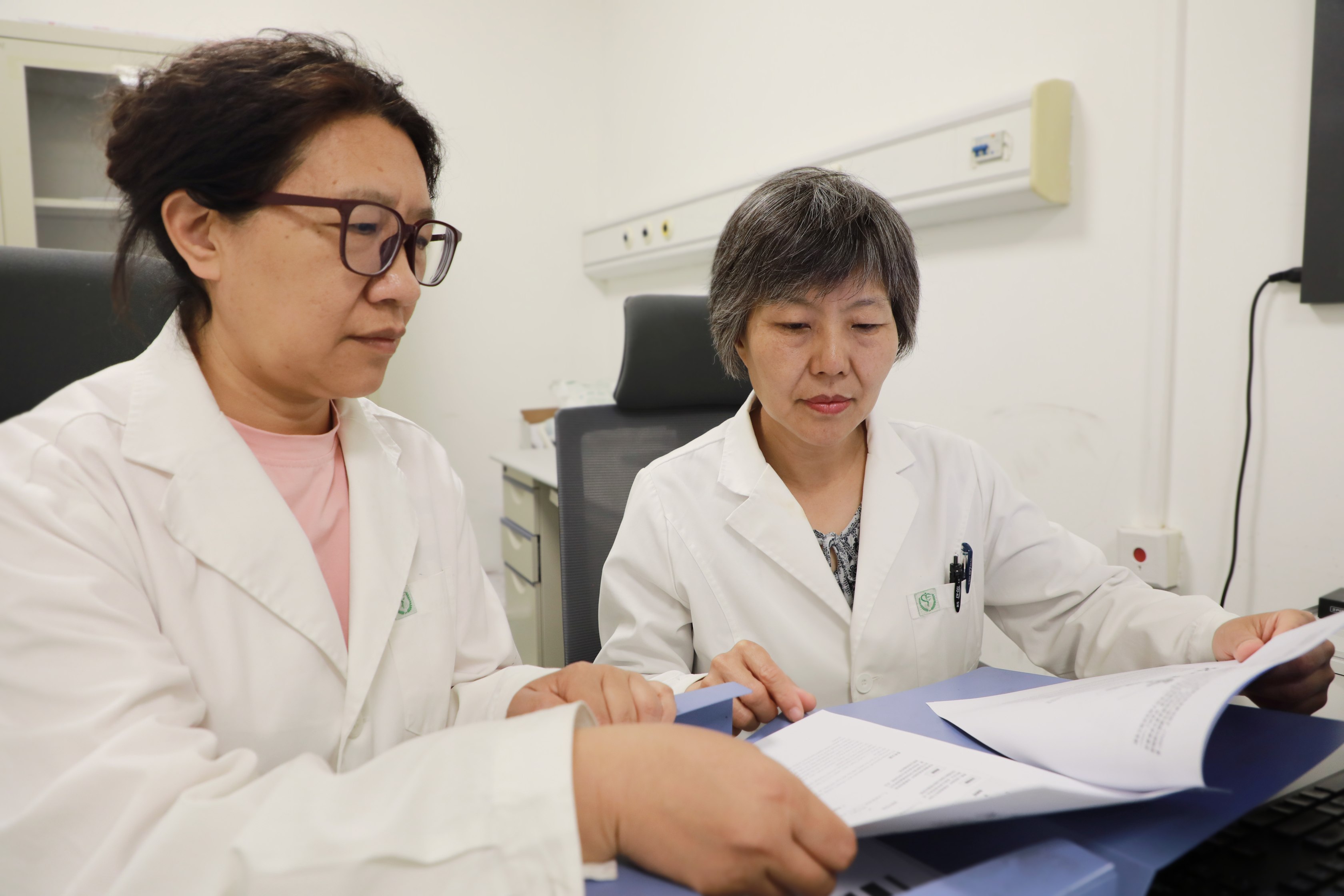
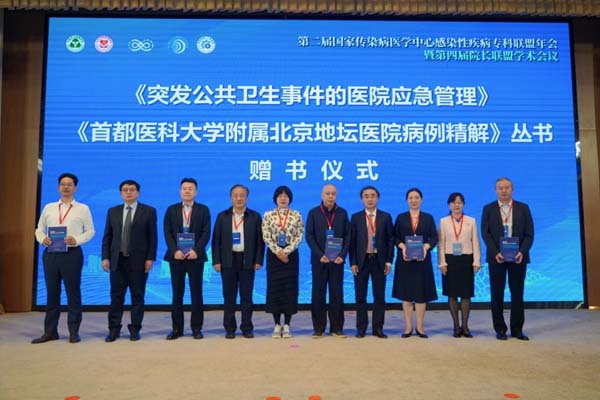
Recently, the Beijing High-Quality Healthcare Dataset Promotion Conference was convened in Beijing. More than 200 delegates from 12 government departments and public institutions inside and outside Beijing, 25 medical institutions, 59 enterprises, and three top universities in China gathered together to discuss new opportunities and future prospects for the development of medical data. The conference focused on the compliant circulation and value transformation of medical data, with the official debut of key projects including the "Multicenter Medical Terminology and Standard Template Dataset" developed by Beijing Ditan Hospital.
The multicenter medical terminology and standard template dataset boasts three core highlights. Firstly, it features extensive coverage and substantial volume, covering four primary medical disciplines and 14 secondary medical disciplines, incorporating more than 440 disease categories, over 9,000 medical record templates, and more than 600,000 standardized terms, achieving the diversified and integrated integration of full medical record templates and terminology databases. Secondly, it guarantees dual assurance of quality and compliance. Developed based on the clinical experience of hundreds of doctors from multiple centers, the dataset has passed strict "Triple review and proof" quality control with clear logical correlations annotated, and adheres to the principle of "data available but not visible" without involving any patient privacy information. Thirdly, it demonstrates outstanding transformation and adaptability. It has already landed commercial achievements such as the Medical Version of Sogou Input Method, and its plug-in design enables seamless adaptation to hospitals' existing systems and commonly used office software, providing diversified cooperation models including joint development and standard authorization.
Currently, the dataset has completed data property rights registration, laying a solid foundation for sustainable commercial development. It has also been selected as a representative case in the first batch of national high-quality datasets, setting an industry benchmark for the high-quality and digital-intelligent medical transformation in the infectious disease sector.
Looking ahead, the promotion and application of this dataset are expected to deliver multi-dimensional positive impacts. Clinically, it will provide professional teaching plans for the standardized training of junior doctors and medical students, systematically avoid errors in medical documents, and build a forward defense line for diagnosis and treatment quality control in advance. For grassroots medical care empowerment, relying on its plug-in adaptation advantage, it can be quickly promoted with a low threshold without renovating hospitals' existing systems and is fully compatible with common office software. In terms of disease prevention and control, the early warning models built based on the dataset can help relevant authorities promptly capture epidemic signals of emerging and sudden infectious diseases, providing rapid and accurate decision-making support.

 京公网安备 11010502052111号