




Beijing Ditan Hospital Attends WHO Collaborating Centres Consultation Meeting
To further strengthen exchanges and cooperation among World Health Organization (WHO) Collaborating Centres and boost their in-depth engagement in the formulation of WHO’s global health strategies, WHO convened an online Consultation with WHO Collaborating Centres on 29 June. Discussions centred on three themes: outcomes of the First Global Forum of WHO Collaborating Centres, reforms to the Global Health Architecture following the 79th World Health Assembly (WHA79), and the global campaign “Together for Science & Health”.
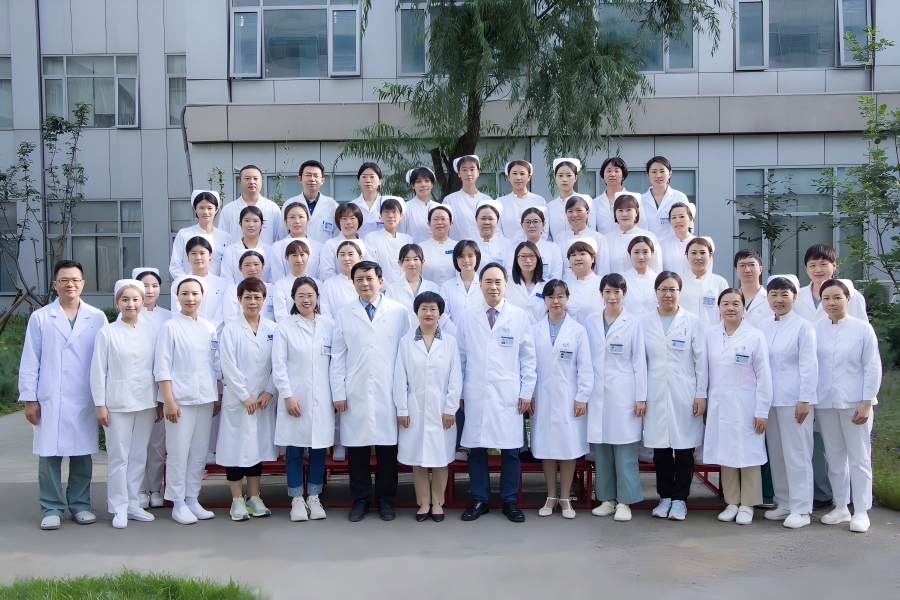
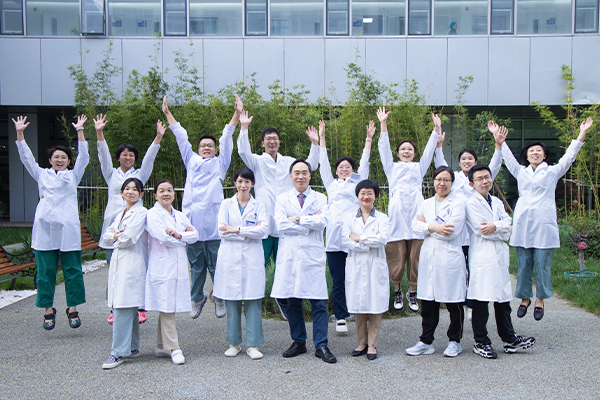
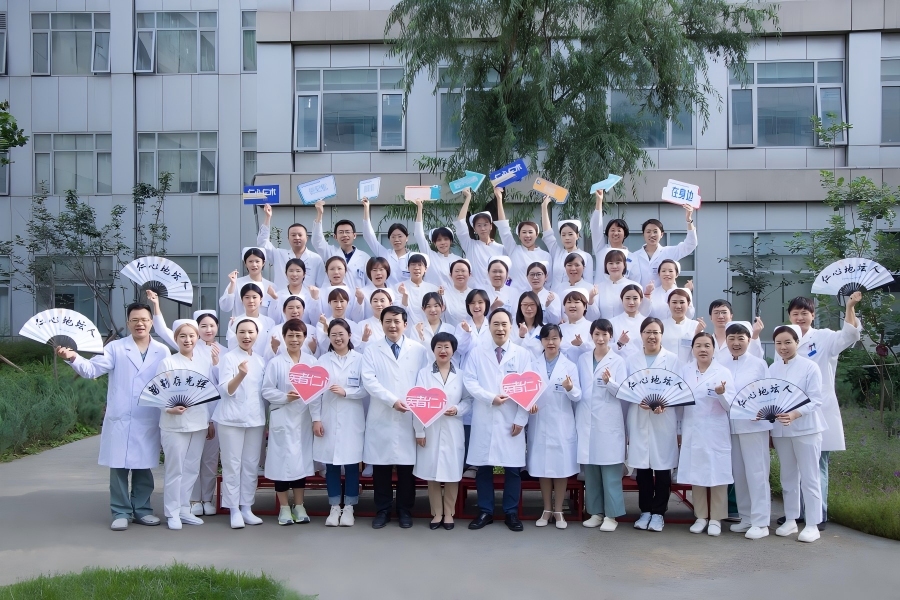
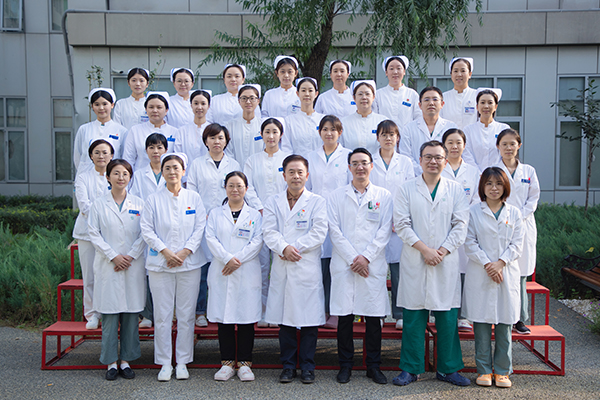
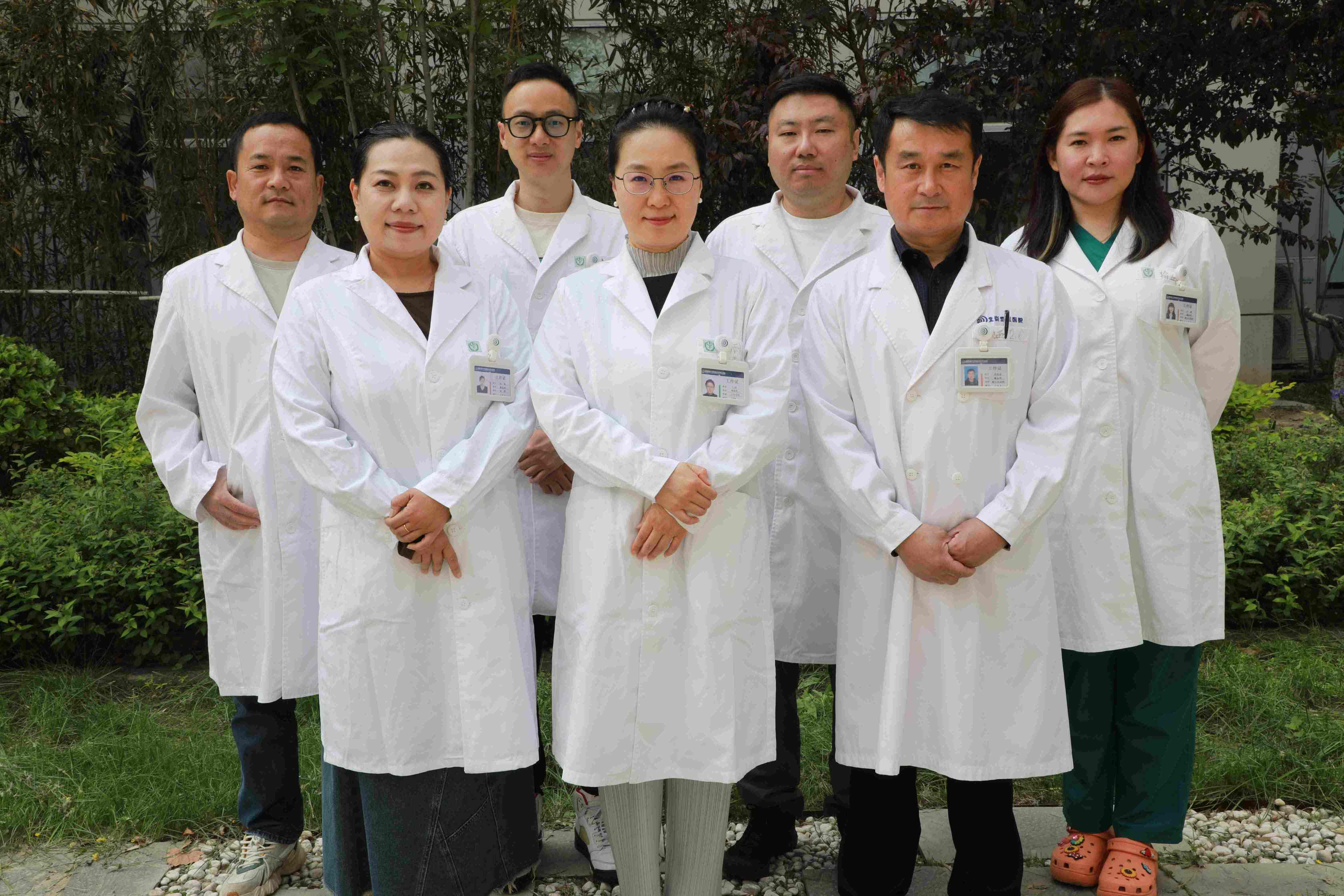
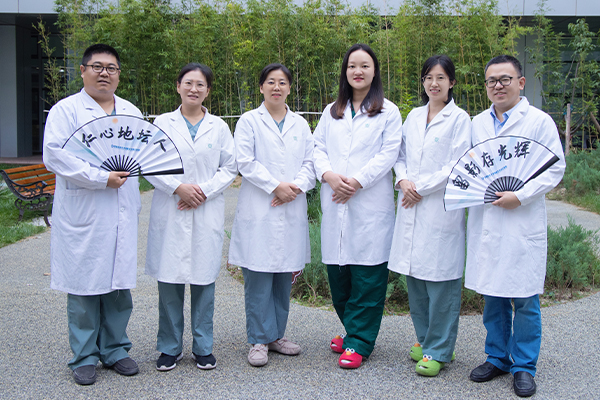
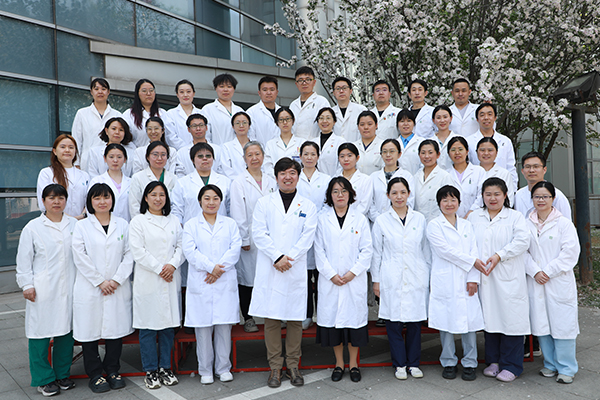
The WHO Collaborating Centre for Integrated Management of HIV Treatment and Care hosted by Beijing Ditan Hospital participated in the meeting in its capacity as a WHO Collaborating Centre for Integrated HIV Management.
The meeting reviewed outcomes from the First Global Forum of WHO Collaborating Centres held in April 2026. The forum fully acknowledged the pivotal role of the WHO Collaborating Centres Network in advancing global health initiatives. Participants unanimously agreed to bolster connections and collaboration across all centres, shifting from individual standalone operations to networked and coordinated work models, and to ramp up engagement in WHO’s strategic planning, technical cooperation and capacity-building programmes.
Updates on the Global Health Architecture reform endorsed at WHA79 were also presented at the meeting. WHO has launched efforts to build a country-led, coherent and inclusive global health governance framework. Over the coming year, WHO will conduct consultations with Member States and relevant stakeholders, extensively solicit inputs from Collaborating Centres, academic institutions and technical experts, and underpin the final reform proposals to be submitted to the 80th World Health Assembly in 2027.
In addition, the global campaign “Together for Science & Health” was introduced. Launched to address challenges including rapid technological advances, wide application of artificial intelligence and the spread of misleading health information, the initiative advocates evidence-based approaches, strengthens linkages between science and society, science and policy, as well as science and communication, and enables science to better serve public health.
Established in 2009, the WHO Collaborating Centre for Integrated Management of HIV Treatment and Care operates drawing on abundant health resources of Beijing Ditan Hospital, serving as a key platform for health technical cooperation between China and WHO. Since its inauguration, the Centre has carried out long-term work covering comprehensive HIV prevention and control, clinical diagnosis and treatment, implementation science research and capacity building.
Moving forward, the Centre will continue to leverage the strengths of the WHO Collaborating Centre platform, proactively take part in consultations and cooperation on WHO global health governance, deepen exchanges and partnerships with domestic and international counterparts, and contribute to evidence-informed policy-making, improved integrated HIV management capacity and the advancement of global public health.

 京公网安备 11010502052111号